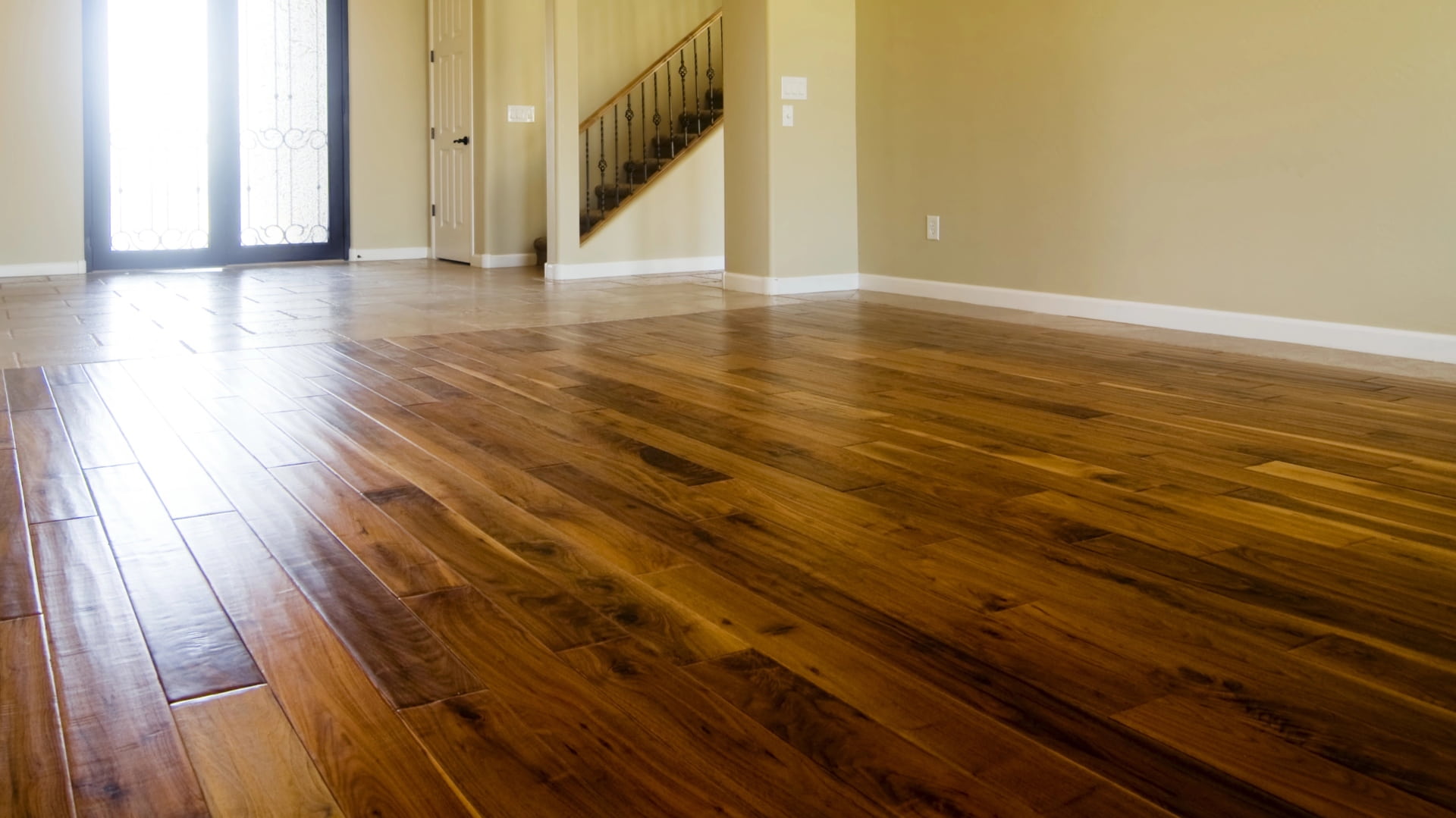
Wax, Polish, or Finish? Understanding Hardwood Floor Coatings in Virginia Beach Homes
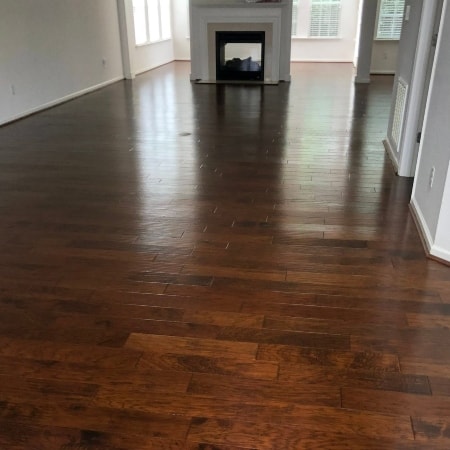
If your floors look dull or streaky no matter how often you clean, you may be dealing with wax or acrylic polish buildup. For many homes in Virginia Beach, VA, the right answer is professional hardwood floor wax removal that clears away cloudy layers so your real finish can shine again. This guide explains the difference between wax, polish, and finish, why buildup happens faster in our coastal climate, and how Conley's Hardwood Floor Refinishing restores clarity and beauty to your hardwoods.
What Wax, Polish, and Finish Really Mean
These words often get mixed up, but they are not the same. Wax is a soft, buffable coating that sits on top of wood. Polishes, often labeled as "restorer" or "gloss," are usually acrylic products that create a thin plastic film. A finish is a durable protective layer such as oil-modified or waterborne polyurethane that bonds to the wood or previous coats.
Acrylic polish is not a protective finish. It is a cosmetic film. Over time, both wax and polish collect dust, mop residue, and sand, turning hazy and uneven. Once those layers are in place, a new finish will not bond right. That is when removal becomes the smart move.
Why Wax Builds Up on Hardwood Floors in Virginia Beach
Life near the ocean is great, but it is tough on floors. In neighborhoods from Great Neck to Kempsville and Sandbridge, fine beach sand and higher humidity create the perfect storm for buildup. Sand gets trapped in wax or polish, and moisture causes those layers to smudge and streak. Busy households with pets, beach gear, and flip-flop traffic only speed things up.
Many off-the-shelf "shine" products promise a quick glow. They can look fine the first time, but each new coat locks in the last one's scuffs and scratches. After several passes, you get a cloudy, sticky surface that grabs dirt faster than a bare finish.
How Wax Interferes With Refinishing and Recoating
Wax and acrylic films block adhesion. If you try to recoat over them, the new polyurethane can ridge, peel, or fish-eye. Never apply new polyurethane over a waxed floor. It will fail. That is why pros always test for wax before any rescreen or refinish. When we remove those layers first, a proper bonding surface returns and your next finish lasts as it should.
Clear Signs You Need Wax Removal
- Cloudy, milky patches that do not go away after mopping
- Scuffs that seem "inside" the shine, not on the wood
- Sticky feel underfoot or mop drag that returns quickly
- Color differences where area rugs protected the floor
- Peeling or flaking "plastic" film near thresholds
If any of these sound familiar, start with information, not another layer of polish. For a quick overview of service options on our site, you can always navigate from the home page using hardwood floor wax removal as your guide.
What Professionals Do During Safe Wax Removal
Wax removal sounds simple, but it is a careful process. Floors vary by species, age, and what has been used on them before. Pros begin by identifying the product on your floor, then use solutions and controlled mechanical action to break the bond without harming the wood or stain. The surface is neutralized and rinsed so no residue is left behind to interfere with the next step, whether that is a screen-and-recoat or a full refinish.
In homes around Red Mill, Chic's Beach, and the North End, we tailor dwell times and agitation to humidity and temperature. This helps prevent streaking and protects edges where buildup loves to hide. When clarity returns, you can actually see the color of your wood again. If your floor is a good candidate, we follow with a bonding prep and fresh topcoat so the clean surface stays protected.
Curious about outcomes for your own space? Read more about our approach to professional wax removal and how it supports long-lasting finishes.
Choosing the Right Sheen and Finish for Coastal Homes
After removal, sheen choice matters. Satin and matte sheens hide fine sand scratches better than high gloss, which can highlight every footprint. Waterborne polyurethane cures fast and stays clear, which keeps lighter floors from ambering. Oil-modified polyurethane adds warmth and depth to darker species and stands up well to heavy traffic once fully cured. Either way, the key is a clean, wax-free surface before the new coat.
For families juggling school runs and surf days, plan the work during a stretch with stable weather. Spring and fall in Virginia Beach often offer milder humidity, which helps coatings behave and speeds comfort underfoot.
Myths and Mistakes to Avoid
- "Another layer will fix the haze." It won't. You will trap more scuffs under a thicker film.
- "If it shines, it's protected." Shine is not the same as protection. A true finish bonds; polish just sits on top.
- "Recoating fixes everything." Recoats fail over wax. Removal comes first.
- "All products play nice together." Mixing brands and chemistries can cause peeling and streaks.
Wax buildup traps grit and makes scratches look worse. Skipping removal only hides the problem for a few weeks and can increase the work needed later.
Testing for wax before any refinishing saves time and headaches. Our coastal humidity and fine sand in Virginia Beach can fool the eye, so a quick on-site test confirms what is on your floor before any work begins.
When a Recoat or Refinish Makes Sense After Removal
Wax removal reveals the real condition of your finish. If the wood itself is in good shape, a light abrasion and fresh topcoat can extend life and improve scratch resistance. If you see deep dents, gray wear in traffic lanes, or pet stains, a full sand-and-refinish may be the smarter long-term choice. The right path depends on your floor's age, wood species, and traffic level. It also varies by season and indoor climate control.
Homes near Oceana or along Shore Drive often see heavier grit traffic and sun exposure by sliders. After removal, we look closely at those zones to recommend the next step. It is all about giving you clear options, not a one-size-fits-all answer.
Care Habits That Protect Your New Finish
Once the wax is gone and your floor is properly coated, the goal is to reduce grit and moisture. Place mats at sandy entry points, use felt pads under furniture, and use cleaners designed for polyurethane finishes. Avoid products labeled as "restorer," "gloss," or "reviver." They sound helpful but can start the cycle all over again.
Rotating area rugs seasonally also helps even out UV exposure. In homes close to the water, a simple dehumidifier run during peak summer can stabilize indoor swings and keep boards happier.
Why Work With Conley's Hardwood Floor Refinishing
As a local hardwood floor refinishing team, we focus on clear communication, careful prep, and respectful scheduling that fits real life in Virginia Beach. We show up ready, protect adjacent rooms, and explain each step before we start. Our goal is a clean, bondable surface and a finish that looks great for years, not weeks.
If you want a straightforward plan and a tidy job site, call us at 757-289-5800. We will evaluate your floors, explain whether a recoat or refinish is best after removal, and give you a written scope you can trust.
Putting It All Together: From Cloudy to Clean
Here is the big picture. Wax and acrylic polishes create shine, not protection. They attract sand and smudges, especially in coastal homes. Removal restores clarity and lets a real finish bond. Then you pick a sheen that fits your style and daily life.
Benefits of getting it done the right way include:
- Restored color and grain with no cloudy film
- Proper adhesion of your next protective finish
- Better scratch hiding with the right sheen
- Less weekly frustration and fewer streaks
Testing and removal before recoating protect your investment. That single step sets up every other success that follows.
Ready To Refresh Your Hardwood Floors in Virginia Beach?
If your floors look tired, sticky, or streaky, you are not stuck with it. Start by clearing away the layers that cause the problem. Learn how our team handles hardwood floor wax removal with care, then helps you choose a durable finish that fits your home and schedule. Or talk with a pro now at 757-289-5800. We are here to help you love your floors again.
Call Us
Connect With Us
Leave a Review

Ready to Love Your Hardwood Floors Again?
Contact Our Hardwood Floor Refinishing Services Today!