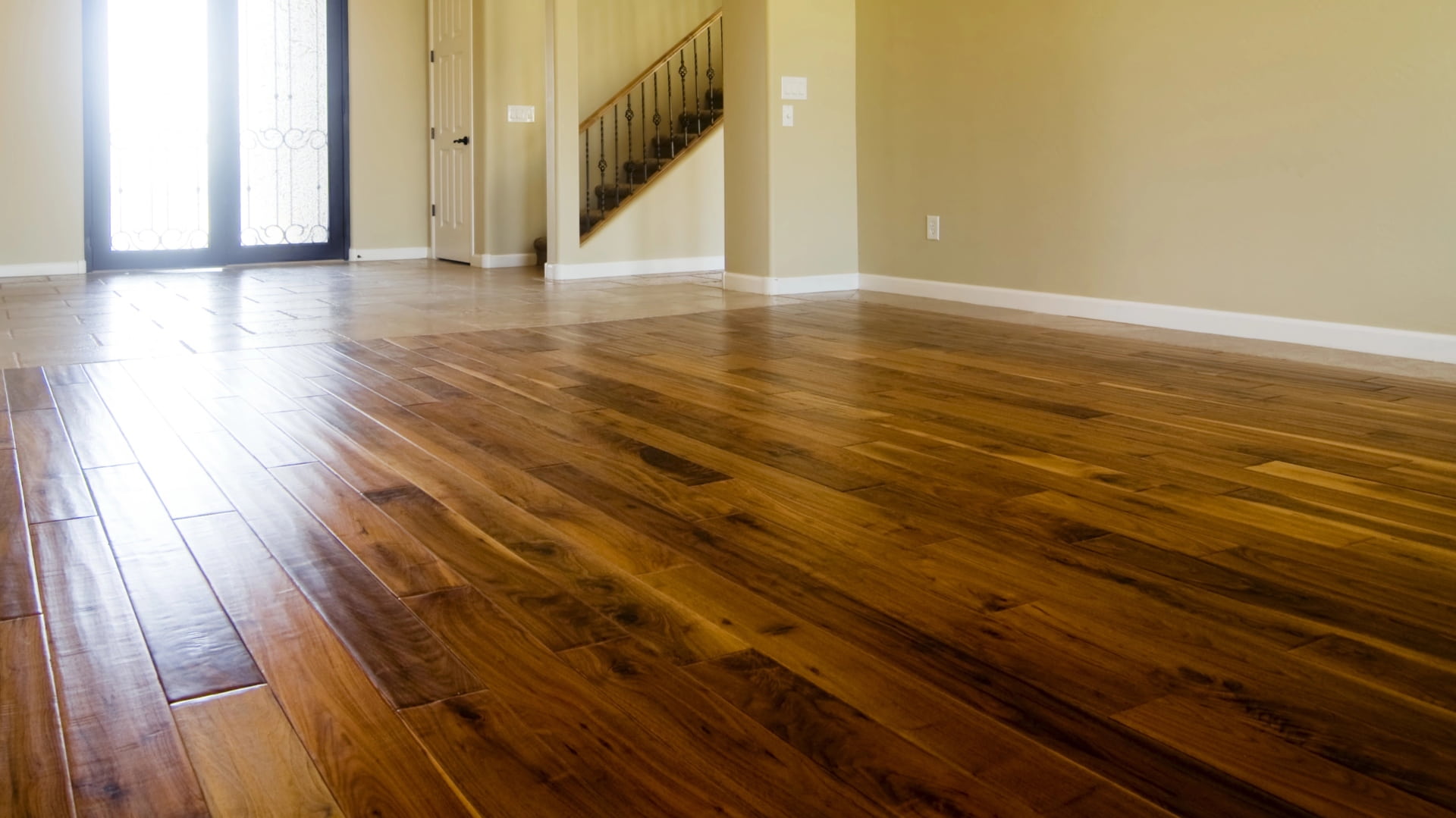
What Hardwood Floor Refinishing Can Fix and What It Cannot in Virginia Beach
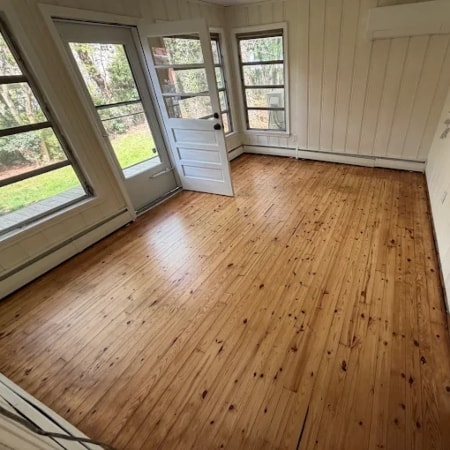
If your wood floors look tired, scratched, or dull, hardwood floor refinishing can bring them back to life. In Virginia Beach, VA, our coastal climate adds extra wear from sand, salt, and humidity. This guide explains what refinishing can repair, where it falls short, and how to make a smart plan for your home.
How Hardwood Floor Refinishing Works
Refinishing removes the worn finish and a thin layer of wood, smooths the surface, and applies fresh coats of protective finish. Think of it like resetting the clock on your floors. The process can also add stain for a new color and sheen, from matte to semi-gloss.
Modern dust control helps keep your home cleaner during hardwood floor sanding, and low-odor finishes make it easier to stay comfortable. Timing and steps vary by flooring type, age, and past coatings.
What Refinishing Can Fix in Virginia Beach Homes
Refinishing is ideal for floors that are structurally sound but look worn. In Oceanfront condos, Little Neck colonials, and Kempsville ranches, the most common wins include:
- Surface scratches, scuffs, and traffic wear in entryways and kitchens
- Dull, cloudy, or yellowed finish that no longer cleans up well
- Small gaps and hairline cracks, often improved with trowel filling
- Minor cupping or raised grain from seasonal humidity swings
- Light surface stains from spills that have not penetrated deeply
- Updating color and sheen to match fresh paint or cabinets
These issues live in the top layer of wood and finish. Sanding and new finish erase most of what you see and feel underfoot. In many homes near Lynnhaven, this is enough to make old floors look new again.
Where Refinishing Falls Short
Some problems run deeper than the finish. In those cases, refinishing alone will not deliver the result you expect:
- Severe water damage from leaks or flooding, including cupped or buckled boards
- Black pet urine stains that have penetrated into the wood fibers
- Active termite or pest damage and soft spots
- Loose, cracked, or severely thinned boards after multiple past sandings
- Subfloor movement that causes ongoing squeaks or wide seasonal gaps
- Burns, deep gouges, or missing sections of flooring
Severe water damage usually needs board replacement, not refinishing. The same goes for active pest issues and structural problems. A good inspection will separate cosmetic wear from damage that needs repairs first.
Solid vs. Engineered: What's Realistic
Solid hardwood can usually handle several refinishes across its life, depending on past sanding. Engineered wood may be refinishable once, sometimes twice, if the wear layer is thick enough. Many modern engineered floors are designed for limited sanding.
Engineered planks with a thin wear layer may not be safe to sand. If you are unsure, a pro can measure at a floor register or along a baseboard to check thickness. Beveled edges on prefinished boards will soften with sanding, which is normal but should be planned for.
Stain and Sheen Changes You Can Expect
Refinishing lets you shift from orange or yellowed tones to modern neutrals. In Virginia Beach homes with lots of natural light, mid-brown stains reduce glare and hide dust better than very dark or very light colors. Satin remains popular because it masks footprints and micro-scratches.
Remember that color is limited by the species and age of your wood. Red oak accepts a wide range of stains, while maple can look blotchy if pushed too dark. Samples on your actual floor are the safest way to preview the result.
Finish Options and Dry-Time Basics
Today's waterborne finishes are known for fast dry, low odor, and clear color that does not amber as much over time. Oil-modified finishes bring a warm glow and rich depth. Both protect well when applied correctly.
Do not rush furniture or rugs back onto the floor before the finish has hardened. Even if it feels dry to the touch, it still needs cure time to reach full strength. Your finisher will guide timing based on the product and weather.
Prep and Scheduling Around the Virginia Beach Climate
Our summers are hot and humid, and we can see nor'easters and tropical systems in the fall. Plan your project when you can run the HVAC for steady temperature and humidity. That stability helps the finish flow, level, and cure correctly.
Rooms should be cleared, and any scheduled painting should happen before sanding or well after final coat cure. If you live near Sandbridge or the Oceanfront, consider extra walk-off mats after refinishing to keep sand from acting like sandpaper on your new finish.
Pet Stains, Odors, and What's Possible
Light surface stains and odor in the old finish film often disappear during sanding. But when urine has darkened the wood to a deep brown or black, it has traveled into the fibers. Those dark halos usually require board replacement to look right.
A pro can spot-test the area after the first sanding pass and discuss repair options room by room. Mixing targeted board swaps with full refinishing often delivers a uniform look without replacing an entire floor.
Cupping, Crowning, and Gaps: Fixes That Last
Mild cupping from seasonal moisture can flatten during sanding. Crowning from past over-sanding or long-term moisture may not level evenly. Wide, seasonal gaps are better addressed by stabilizing humidity rather than stuffing them with filler that can crack later.
In Pungo and Princess Anne homes, where crawl spaces can be damp, controlling moisture under the house matters as much as the finish above it. Vapor barriers, working vents, and consistent indoor climate all support a lasting result.
When Repairs Come Before Refinishing
Good refinishing starts with a stable base. That can include securing loose boards, replacing badly damaged planks, tightening squeaks, and addressing subfloor issues. Skipping needed repairs simply traps problems under a new finish.
Refinishing is not a cure for structural movement or moisture intrusion. Fix the cause first, then refinish for beauty and protection that lasts.
How to Decide: Refinish or Replace
Use these checkpoints to guide your choice:
- Your floor has normal wear and scratches, but boards are solid and secure.
- There is no active moisture, pest, or subfloor problem.
- You want a new color or sheen without changing the entire layout.
- The floor has not been sanded down to the nail heads or tongue.
If you check most boxes, refinishing is likely the right move. If you have widespread deep damage, major layout changes, or very thin boards, replacement may be smarter long-term. A brief in-home assessment can make this call clear without guesswork.
What a Smooth Project Looks Like
Here is a simple view of a typical project flow in Virginia Beach:
Day 1: Protect adjacent spaces, set up dust control, first sanding passes, and repair work.
Day 2: Fine sanding, stain if chosen, and first coat of finish.
Following days: Additional coats with light buffing for a smooth, even sheen.
Timing varies by home size, floor species, and finish type. Weather, ventilation, and access can speed or slow drying. Your crew should leave clear walking and moving-in guidelines so the floor cures well and stays mark-free.
Care After Refinishing
Use soft pads under furniture feet and lift heavy pieces instead of sliding. Place walk-off mats at doors, especially near the beach or backyard. Clean grit often so it does not scratch your new finish. For regular cleaning, follow the product care instructions from your finisher so you do not leave residue or dull the sheen.
Local Examples You Might Recognize
In a Great Neck family room, traffic lanes and sun fade made the oak look tired. Refinishing with a medium satin sheen evened out the color and reduced glare from the afternoon sun. A Red Mill kitchen had pet scratches and dull spots; sanding and a tougher topcoat made daily cleanup faster and improved light reflection.
Each home is different, but the pattern is the same: if the wood is healthy and the problems sit in the top layer, refinishing resets the finish and brings back depth and clarity.
Why Homeowners Choose Conley's Hardwood Floor Refinishing
Homeowners choose Conley's Hardwood Floor Refinishing for clear communication, careful protection of your home, and durable, good-looking finishes. We focus on honest recommendations, including when replacement is the better long-term value. You get a straightforward plan and a finish that fits your lifestyle and light levels.
Ready For Smoother Floors in Virginia Beach?
If you want floors that look fresh without a full replacement, refinishing may be your fastest path to a beautiful, protected surface. Let's evaluate your floors, explain options, and outline a schedule that fits your home.
Call 757-289-5800 to schedule your assessment with Conley's Hardwood Floor Refinishing, Virginia Beach's top hardwood floor refinishing company. We will confirm what refinishing can fix in your rooms, flag any repairs needed, and deliver a finish that stands up to coastal living.
Call Us
Connect With Us
Leave a Review

Ready to Love Your Hardwood Floors Again?
Contact Our Hardwood Floor Refinishing Services Today!